|
Icons of Europe art
music literature science governance
Best viewed with the Firefox browser
|
|
|
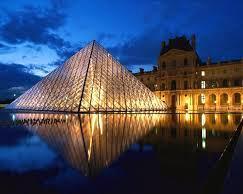
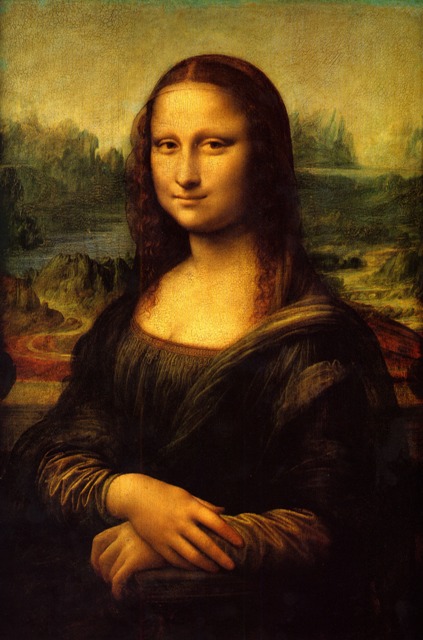
Musée du Louvre, symbol
of learning from great culture. |
|
.About
us
Icons of Europe
Culture enterprise
near Brussels |
|

Icons of Europe |
We produce publications and events based on our own
investigations of great personalities in Europe’s history.
Cultural heritage is a source of knowledge
and innovation.
 Founded in 2001,
Icons of Europe was inaugurated under the auspices of the
Secretary General of the Council of Europe. We joined a World Health Organization partnership in
2003. Our
Icons concept was
considered for the.policy book
of the
Group of 8 Summit 2009. Founded in 2001,
Icons of Europe was inaugurated under the auspices of the
Secretary General of the Council of Europe. We joined a World Health Organization partnership in
2003. Our
Icons concept was
considered for the.policy book
of the
Group of 8 Summit 2009.
.
|
|
New
investigation 2020+
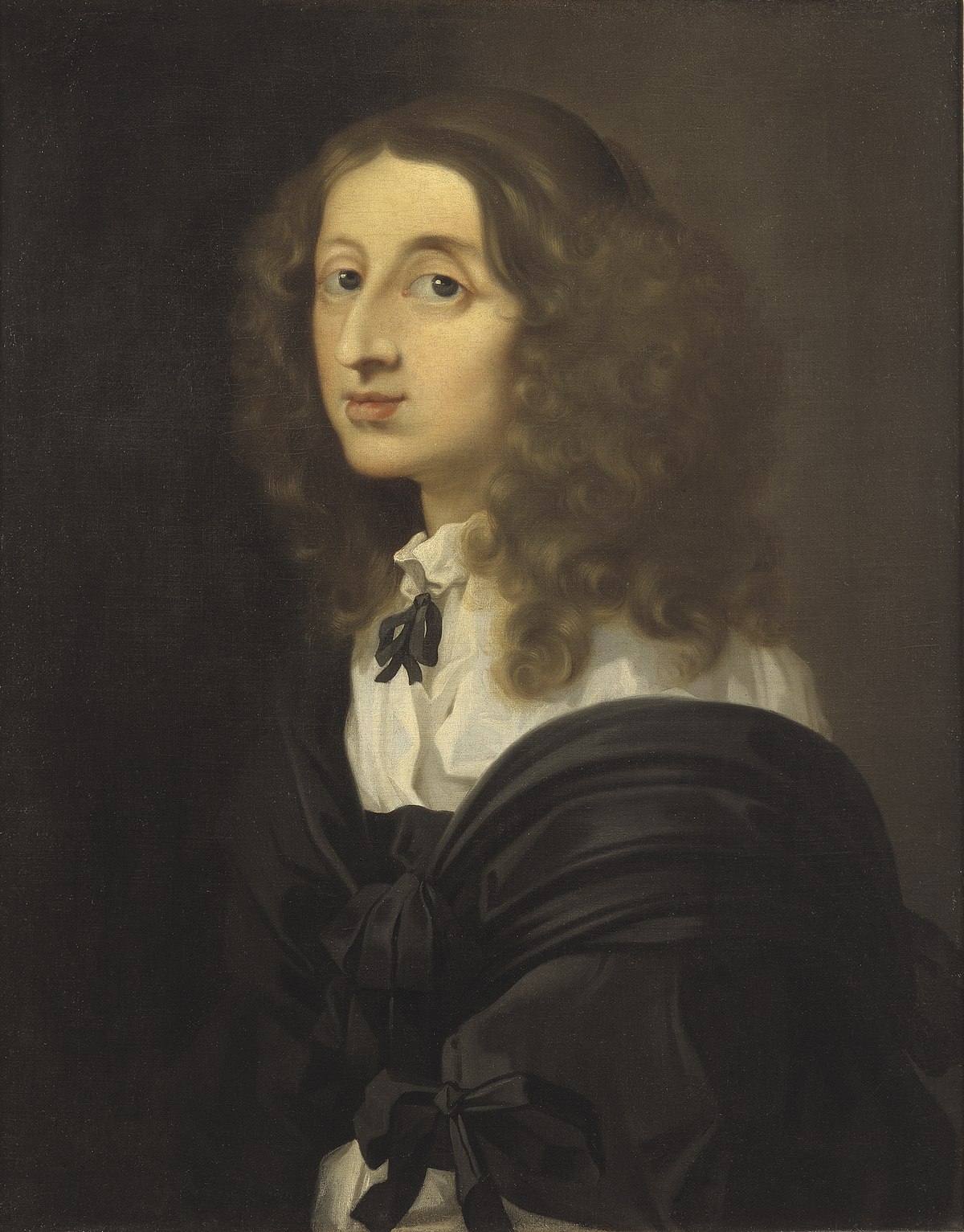
What happened to QUEEN CHRISTINA of Sweden's
legendary art collection after her death in
1689?
In the wake of her book Charles XII: Regicide
(2018), Cecilia Nordenkull Jorgensen takes as a
starting point a French source saying that Karl
XII brought the collection back from Rome with
the help of Pope Clement XI (ref. her comment in
Svenska Dagbladet
on 14 June 2019). |
 |
A
related finding of the new investigation may
clarify for
Louvre the
circumstances of how Leonardo da Vinci's famous
MONA.LISA portrait
ended up in the French royal collection. |
 |
|
|
|
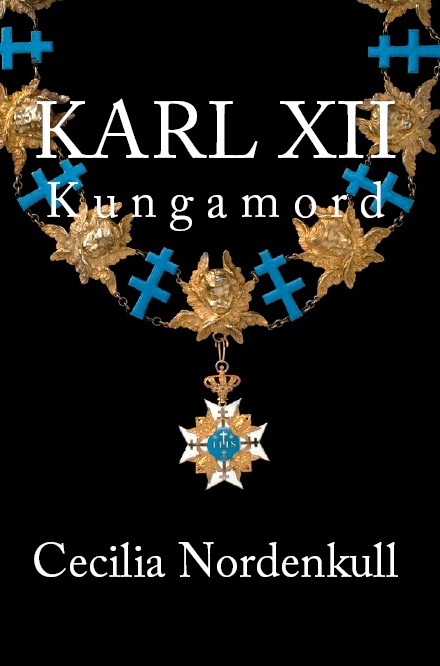
The book « KARL XII: Kungamord
» |
|
Videos by
the author Cecilia Nordenkull
-
The whole book (svenska, 4 min.) |
English
-
Mordet (svenska, 8 min.) |
Interview (2 min.)
-
Murder (English, 8 min.) |
Assassinat (français)
-
Händel, Bach, Karl XII (English, 6 min.)
|
Svenska
-
Karl XII's new arithmetics (English, 6
min.)
-
Voltaire /
Karl XII (svenska, 8 min.) | FR | EN
.
More about the book and
Charles XII
- Amazon
|
Bokus,
Adlibris (SE) |
Back cover |
Author
-
Registered at the Royal Library of
Sweden (KB)
-
Look inside the book
KARL XII: Kungamord
-
Svenska Dagbladet
/ Cecilia Nordenkull re
Karl XII
- Seminar 1718, Norge |
Video interview
|
Program
- Göteborg Book Fair, September 2018
- Hällekis Kuriren, Sverige (September 2018)
- Halländsk bokmässa,
November 2018
|
Utställare
- Twitter
@KarlXII_Sverige |
FAQ and comments |
|
 |
 |
|
"Boken
inneholder revolusjonerendenye teorier,
om hva som skjedde rundt Karl XII for 300.år siden." -
Oberst Dag Strømsæther,
Kommandant på Fredriksten festning, Halden (2018) |
|
|
|
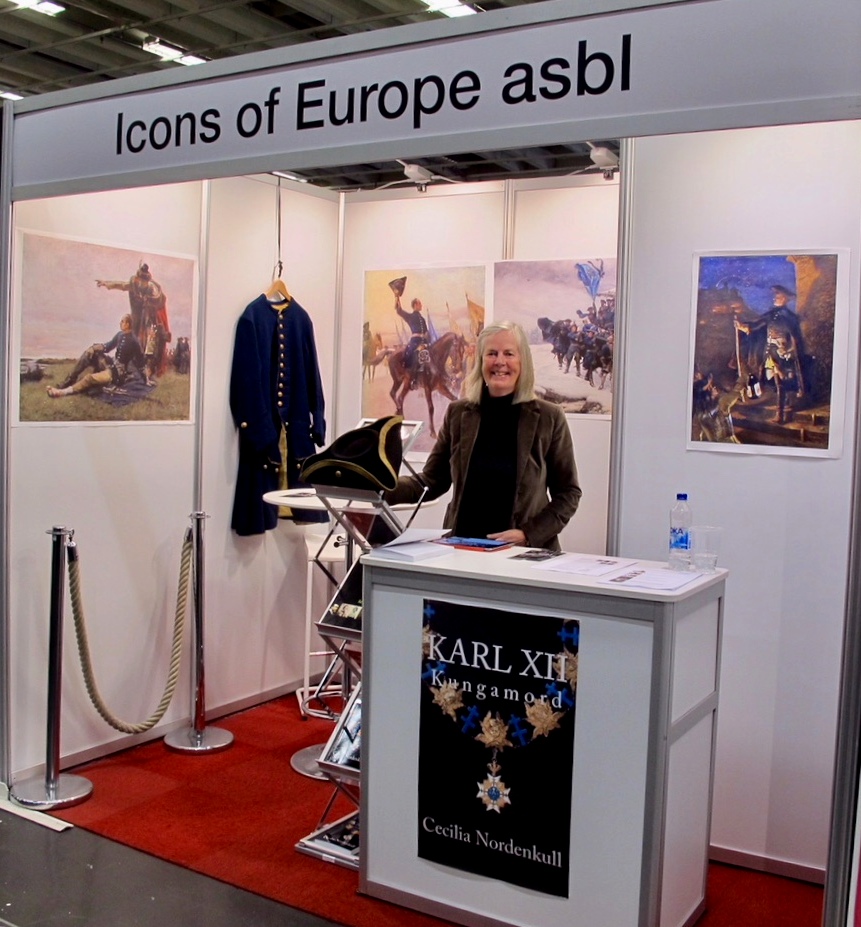
Göteborg Book Fair 2018
 |
History
Seminar 2018, Halden, Norway

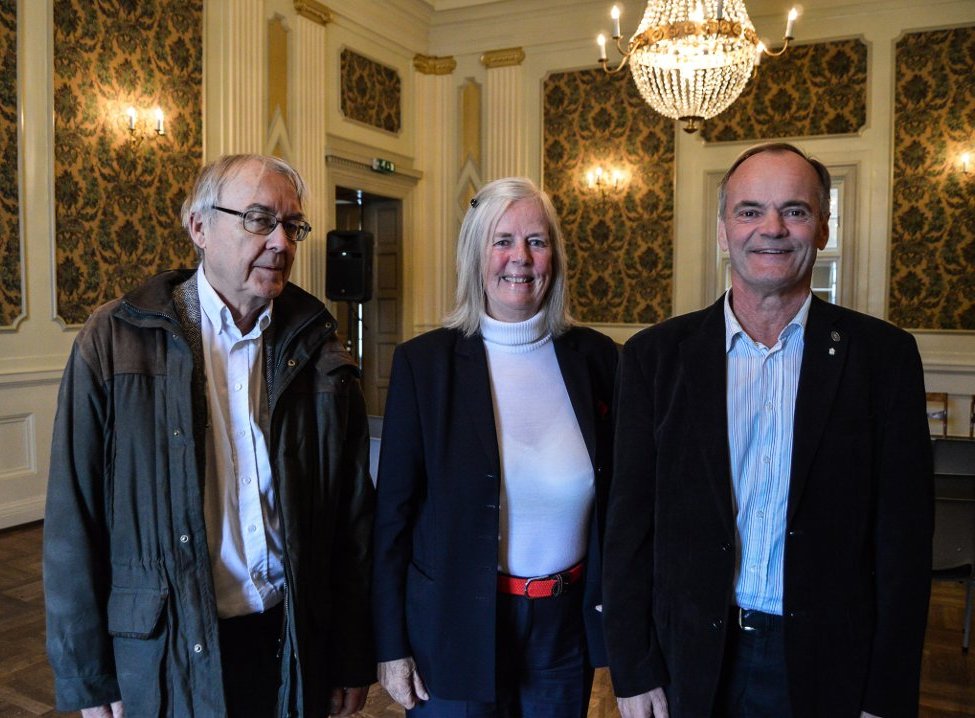
"Stormaktspolitikk og en historie
som er på høyde
med Kennedy-mordet ..." -
the Mayor of Halden |
Halland Book Fair 2018
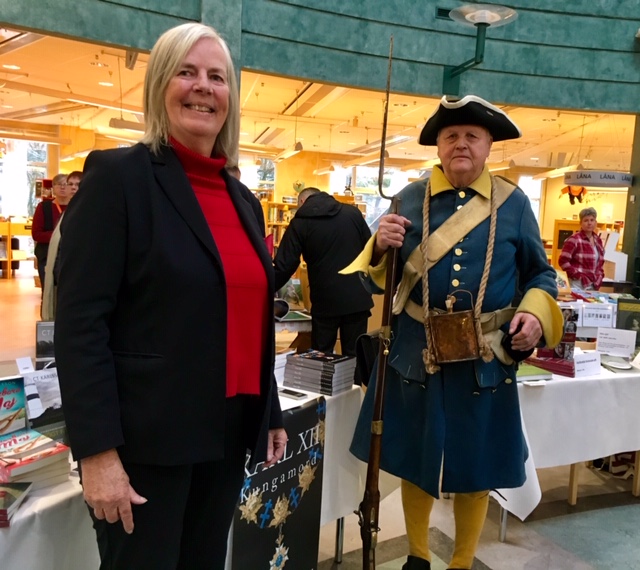
 |
 |
|
“...om boka Kungamord skulle få
fast vitenskapelig mark under bena, er det duket for
gigantisk omskrivning
av svensk og europeisk historie.” -
Halden Arbeiderblad,
Norge, 8 oktober 2018 |
|
|
|

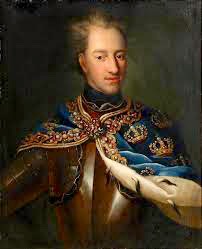
Charles XII of Sweden |

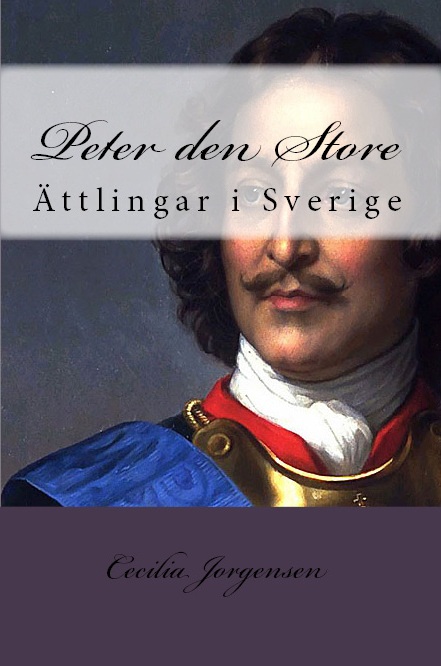
Peter the Great |

Napoleon |

Fryderyk
Chopin |
Shakespeare
Our letter in 2011
in
The New York Times
« An open-minded debate
of Shakespeare’s identity
could
lead to important
benefits ...
“The one
duty we owe to history
is to rewrite it.”.» |
|

Jenny Lind |

George Sand |

Oscar Wilde |

Mendelssohn |

Shakespeare |
Publications in print
(Click on the images) Back
to the top
“The one duty
we owe to history is to rewrite it” - Oscar Wilde |
 |
 |
 |
|
|
The 3 Icons of Europe publications
at
Amazon (in $, €) and
bokus.com (in SEK, global
shipping) |
|
|
|
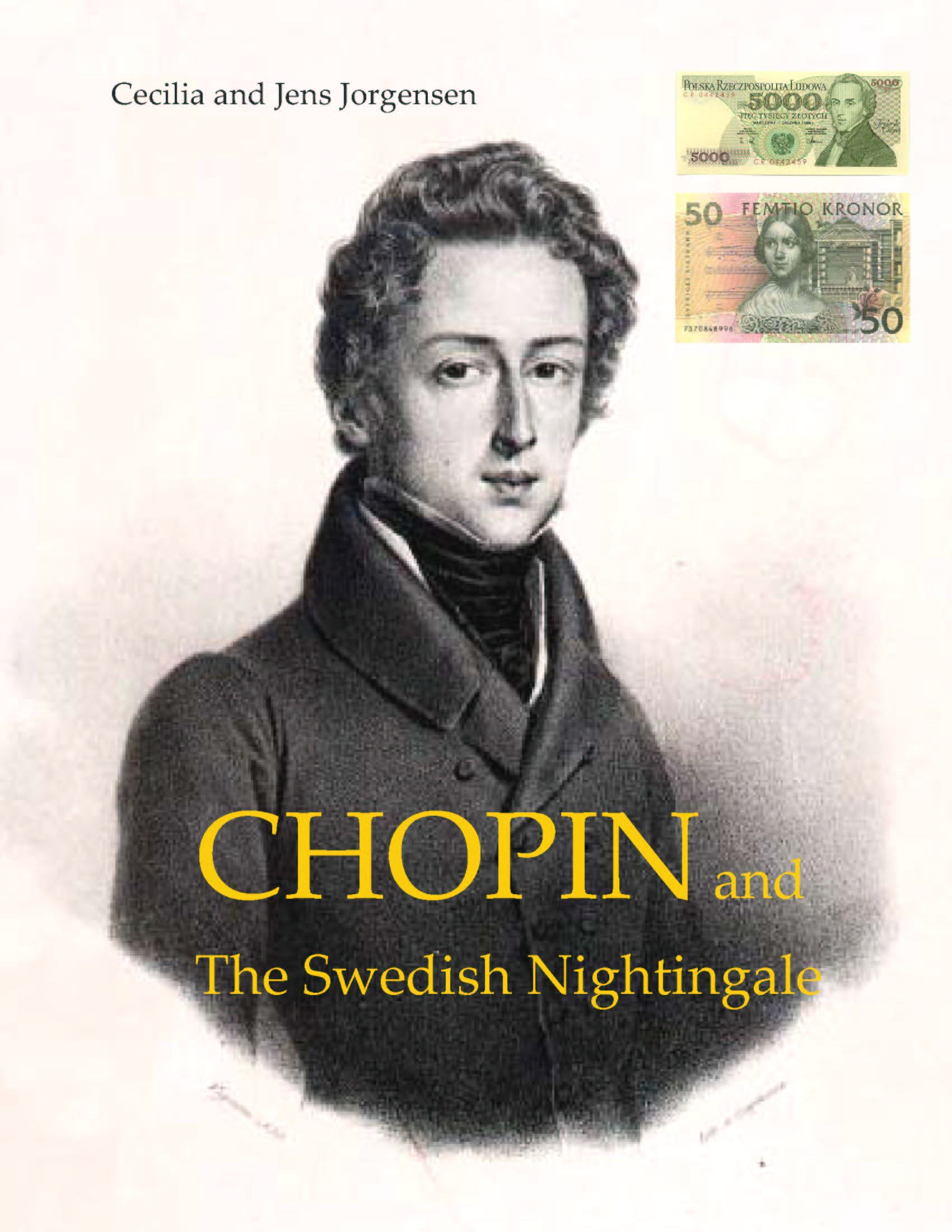
Our Chopin research unveils:
- The origin of Chopin's "well known
song method" (UK 1840), and his tutoring
of Jenny Lind (daughter of
Karl XIV Johan = Jean
Bernadotte) in singing and piano in 1841-1842;
-
Several cadenze
Chopin appears to have created for his pupils, and how
Jenny Lind inspired
his music,
tried
four times to
marry him, and made an arrangement of
Mazurka Op..24/3 set to Italian words ("Faithful love ...").
- How Jenny Lind, monarchs, artists and
the UN celebrated Chopin's legacy
(Lind's role later covered up).
Evidence 2005 +
Icon
series |
NIFC |
 |
 |
 |
|
|
Correcting #FakeHistory
We are rewriting
sections
of the official
biographies of
the above Icons.
Books
set for 2018 onwards
-
Charles XII of Sweden
- Fryderyk Chopin*
- Peter the Great
- Napoleon Bonaparte
- Oscar Wilde * Replaces
Le.Rêve.de.Chopin. |
Recent discoveries
1. How and why
Charles XII
was murdered in 1718.
2. Chopin taught sopranos the
Art of singing (voice coach).
3. Surprising links between
Napoleon and Chopin.
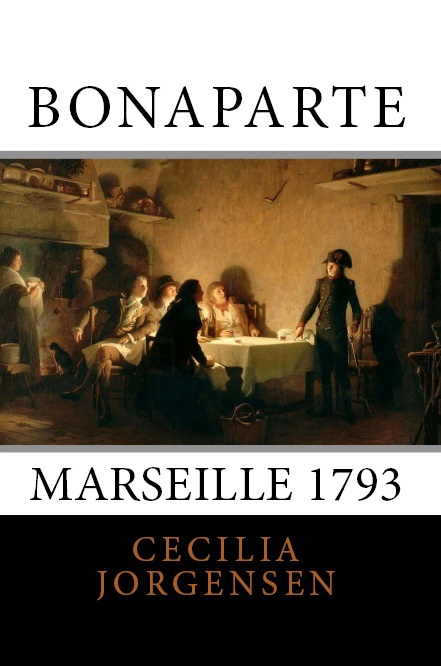
4. Napoleon met
François Clary
at a supper in 1793.
5. Tsar Peter's grandson
Alexander born
secretly 1723.
6. Shakespeare worked with
a stable of bards. His parents ...
7. Oscar Wilde's
true story.
8. An odd Nobel Prize in 1923.
|
"Our view of facts
thought to be known can change."
Prof. Dr Irena
Poniatowska, Institute of Musicology, University of Warsaw,
president of the Polish Chopin Academy, and
member of the Program Board of the Fryderyk Chopin Institute -
commenting in
Chopin in the World on Icons of
Europe's first book Chopin and The Swedish Nightingale
(2003). |
|
|
Co-productions (Click
on the images) Back
to the top
Our
investigative research of Icons is a rich source of content
for multimedia applications |
Great moments
(Click on the images) Back
to the top
Astoria Brussels, Swedish Embassy Warsaw, Royal
Ontario Museum, Private home, Hôtel Prince de Galles Paris, Christ Church
(Malvern, UK), New York Opera Museum, BBC ... |
|
Also celebrated
by us (Click on the
images) Back |
POLAND's
cultural heritage
|
Legendary Icons
Andersen,
Bach,
Bartók,
Beethoven,
Jean Bernadotte,
Brahms,
Chopin,
Debussy,
Dvořák,
Einstein,
Manuel Garcia Sr,
Holmboe,
Karl XII,
Kodály,
Jenny Lind,
Liszt,
Martinu,
Mendelssohn,
Newton,
Paderewski,
Tsar Peter,
Rachmaninov,
Ravel,
George Sand,
Scriabin,
Shakespeare,
Thomas Tellefsen,
Verdi,
Pauline Viardot,
Queen Victoria,
Wagner,
Oscar Wilde
...
|
Events of national
significance |
 |
 |
 |
 |

|

|
 |
|
 |
 |
 |
 |
 |
 |
 |
 |
|
|
|
|
Icons / country
-
Belgium
-
Bulgaria
-
Czech Republic
-
Denmark
-
Hungary
-
Ireland
-
Poland
-
Spain
-
Sweden
-
United Kingdom
-
Whole of Europe |
|
Patronage and sponsorship (Click
on the logos) Back |
|
More about us (Click
on the images) Back
If the columns below are distorted on your iPhone, tilt it
landscape and back again. |
Organization
of Icons of Europe
Founded in 2001, Icons of Europe was inaugurated under the auspices of the
Secretary General of the
Council of Europe, Mr.Walter.SCHWIMMER.
Jens Anker Jorgensen (Danish), co-founder
of Icons of Europe, held formerly senior positions in multinational companies. MSc, MBA Insead, five languages. Connected with Freiherr Adolph Franz Friedrich Ludwig
Knigge. Some 80 letters published
in
The International New York Times
in 1993-2015. Tweeting on
leadership
and foreign policy.
Cecilia Nordenkull Jorgensen (Swedish),
co-founder of Icons of Europe, is a former vice-president of JP.Morgan. Internet pioneer. MBA Boston University,
five languages. She is a direct descendant of Gustav Vasa of Sweden and Peter the Great of Russia
(ancestral links to Poland).
Daniel Blumenthal (American), renowned concert
pianist, professor at the Royal
Flemish Conservatory in Brussels. Contributor to
Queen Elisabeth Competition. Musical advisor to Icons of Europe.
We work with multilingual editorial teams and mobilize
additional resources through patronage, sponsorships and
subcontracting.
Investigations = key
På svenska: Icons of Europe, Bryssel, invigt 2002 under
beskydd av Europarådets generalsekreterare Walter Schwimmer,
ägnar sig åt utredningar och publikationer om stora personligheter
i Europas historia.
Purpose of our investigative
research, publications, events, advice: To align legacy or
symbolism of Icons of art, music, literature, science,
governance in support of objectives of key institutions (re.
identity, innovation, diplomacy, trade, tourism, health, post-truth).
Research policy: We prefer original period
information, cross-checked in context and timeline, rather than
relying on biographies.
About
"historical truth". |
|
Music in Lasne
(piano, voice, cello)
|
Consultations with
The Fryderyk Chopin
Institute (NIFC)
-
FC Museum, 2003
-
Prof. Poniatowska, 2003
-
Publications, 2003-2004
-
Experts roundtable, 2004
-
New research
report, 2005
-
Prof. Tomaszewski, 2005
-
Director of NIFC, 2006
-
BBC film on Chopin, 2010
-
Paris conference, 2013
-
Experts say |
En français
Comments by patrons
-
Polish Ambassador to BE
-
Czech Ambassador to BE
-
SE Ambassador to PL
-
Toronto City Councillor
-
British High Commission
-
Mayor of Lodz, Poland
-
Polish Ambassador to EU
-
Testimonials by guests
 |
|
Patrons of the arts
The founders of
Icons of Europe have provided financial support, as
MasterBuilders, to the renovation of the
Royal Conservatory
of Brussels. |
 |
|
WHO's Stop TB Partnership
As a Stop-TB partner, we have provided
advocacy on the
tuberculosis fight since
2003
through musical
events and
artistic
publications as well
as
financial support.
Chopin and many
other Icons
died
of TB. This infectious
disease has
re-emerged as a global
killer in the
21st century (aggravated by multidrugs resistance). |
|
 |
|
|
Icons of Europe |
The logo of Icons of Europe, a
registered trademark™,
was introduced in 2004.
The rainbow symbolizes the value of great culture:
knowledge and inspiration. |
|
|
|